← Back to Pseudo-Dionysius the Areopagite
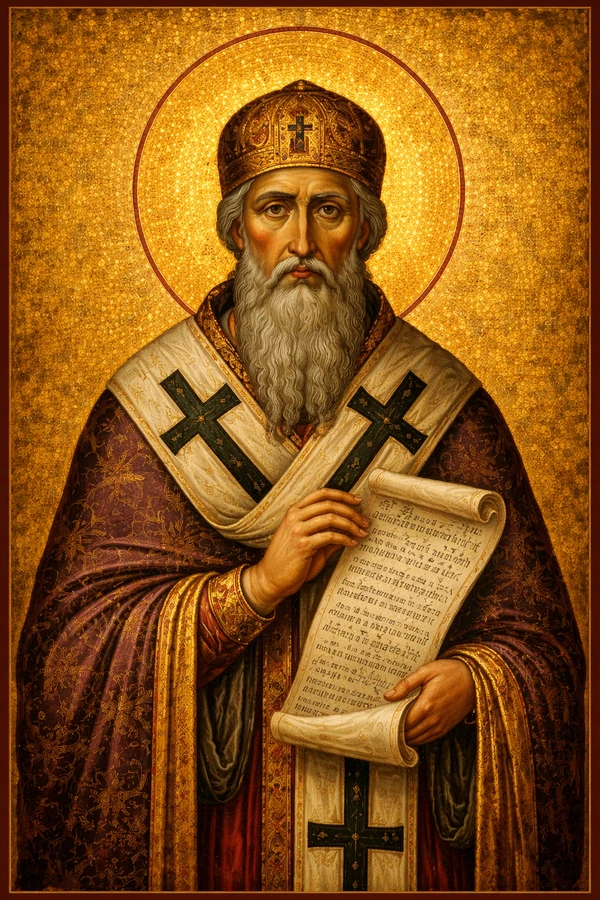
PSEUDO-DIONYSIUS THE AREOPAGITE · LATE 5TH–EARLY 6TH CENTURY · BYZANTINE
Mystical Theology
Summary and key themes of this work
The shortest and most influential work of apophatic theology ever written — barely five pages, yet it reshaped the entire Christian mystical tradition. Pseudo-Dionysius addresses the text to Timothy and instructs him to leave behind everything: senses, intellect, all things known and unknown. What awaits is not emptiness but the 'divine darkness' — a mode of encounter that exceeds the mind entirely. God is not light, but neither is God darkness. God is not being, but neither is God non-being. Every affirmation and every negation must be surpassed until the soul rests in a silence beyond language. The text draws on Neoplatonism but transforms it: the darkness at the summit is not an impersonal absolute but the God of Moses, encountered on Sinai in the cloud that conceals and reveals at once. This brief treatise gave Christian theology the concept of 'mystical theology' itself, and its influence runs directly through Aquinas, Eckhart, the Cloud of Unknowing, and John of the Cross.
Mystical Theology is a central text in the Christian mystical tradition, offering insight into the spiritual life, the nature of divine union, and the transformation of the soul.
This work is central to the Byzantine tradition, shaping the understanding of the spiritual life and the soul's journey toward union with God.
Selected Passages
The divine darkness is the unapproachable light in which God is said to dwell.
Leave behind all things, both what can be known and what cannot be known, and be raised up to the ray of divine darkness that surpasses all being.
We make assertions and denials of what is next to Him, but never of Him, for He is beyond all affirmation and negation.
Read the Work (Free)
Buy a Copy (Optional)
Some links (such as Amazon) may be affiliate links.
This supports the site at no extra cost to you.