← Back to Pseudo-Dionysius the Areopagite
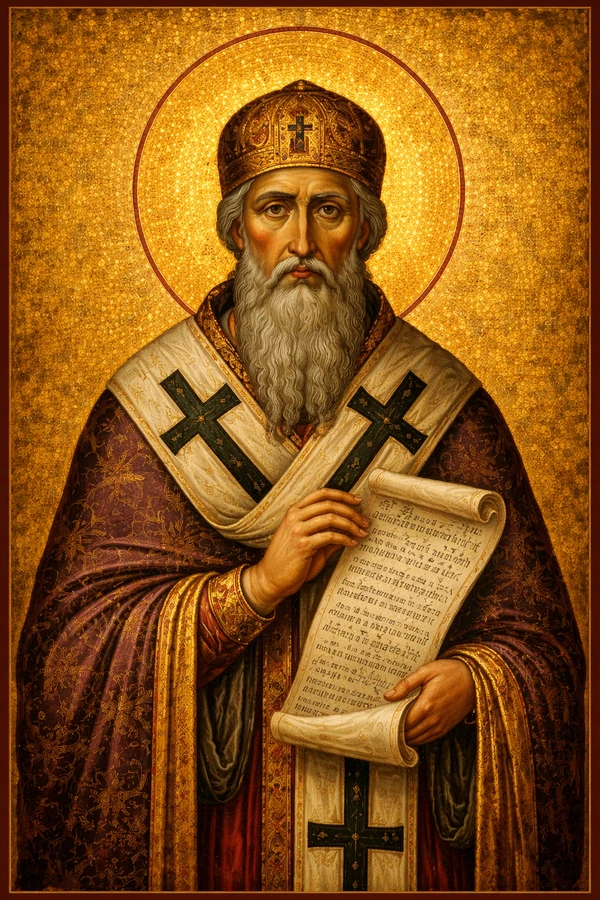
PSEUDO-DIONYSIUS THE AREOPAGITE · LATE 5TH–EARLY 6TH CENTURY · BYZANTINE
The Divine Names
Summary and key themes of this work
The companion work to the Mystical Theology, but where that text strips everything away, The Divine Names builds up. Pseudo-Dionysius examines the names Scripture gives to God — Good, Beautiful, Being, Life, Wisdom, Power — and asks how they can be used truthfully when God exceeds every concept. The answer is a theology of participation: created things share in God's goodness, beauty, and being, and these names point upward toward their source, even as they fall short of it. The Divine Names is the more accessible entry point into the Dionysian corpus — less austere than the Mystical Theology, richer in positive content — and it provides the philosophical foundation that makes the apophatic ascent intelligible. For readers drawn to the Lexicon entries on this site, the Divine Names is where many of those concepts (being, beauty, goodness, participation) receive their fullest theological treatment.
The Divine Names is a central text in the Christian mystical tradition, offering insight into the spiritual life, the nature of divine union, and the transformation of the soul.
This work is central to the Byzantine tradition, shaping the understanding of the spiritual life and the soul's journey toward union with God.
Selected Passages
The Good, the Beautiful, and the True are names of the One who is beyond all names.
It is not simply that God is beyond speech; God is beyond the very silence that follows speech.
Read the Work (Free)
Buy a Copy (Optional)
Some links (such as Amazon) may be affiliate links.
This supports the site at no extra cost to you.