← Back to Maximus the Confessor
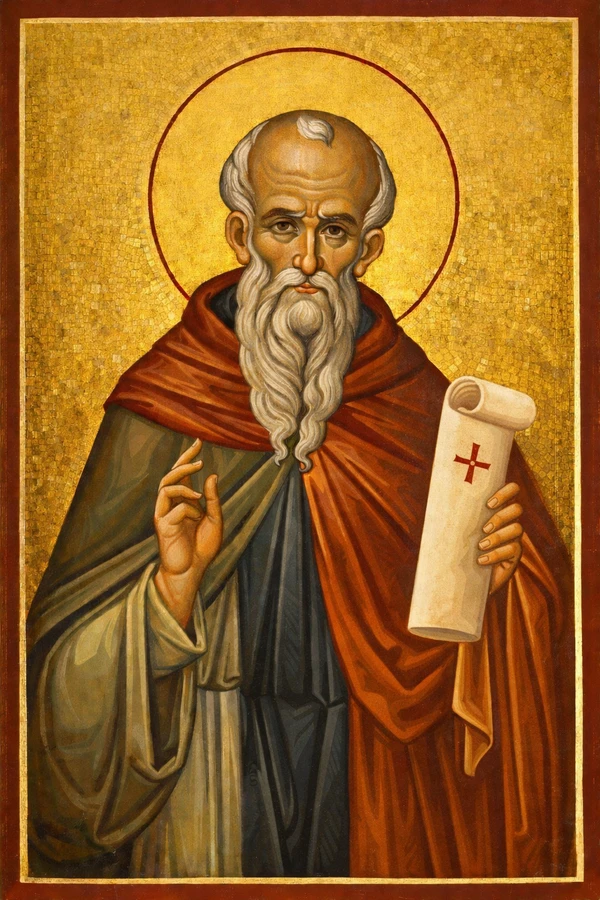
MAXIMUS THE CONFESSOR · 7TH CENTURY · BYZANTINE
Mystagogia
Summary and key themes of this work
Maximus reads the liturgy as a symbol of the cosmos, and the cosmos as a liturgy. In the Mystagogia, the church building represents both the universe and the human soul; the procession of the faithful enacts creation's movement toward God; the Eucharist is the moment where that movement reaches its fulfillment. This is not allegory in the decorative sense — Maximus believes the liturgy genuinely participates in the realities it signifies. The work is shorter and more accessible than the Ambigua, and it offers the best single entry point into Maximus's theology for readers unfamiliar with the Byzantine tradition. If the Ambigua is his summa, the Mystagogia is his invitation.
Mystagogia is a central text in the Christian mystical tradition, offering insight into the spiritual life, the nature of divine union, and the transformation of the soul.
This work is central to the Byzantine tradition, shaping the understanding of the spiritual life and the soul's journey toward union with God.
Selected Passages
The one who has understood how the whole of creation is contained in the Logos has understood the principle of all things.