← Back to Maximus the Confessor
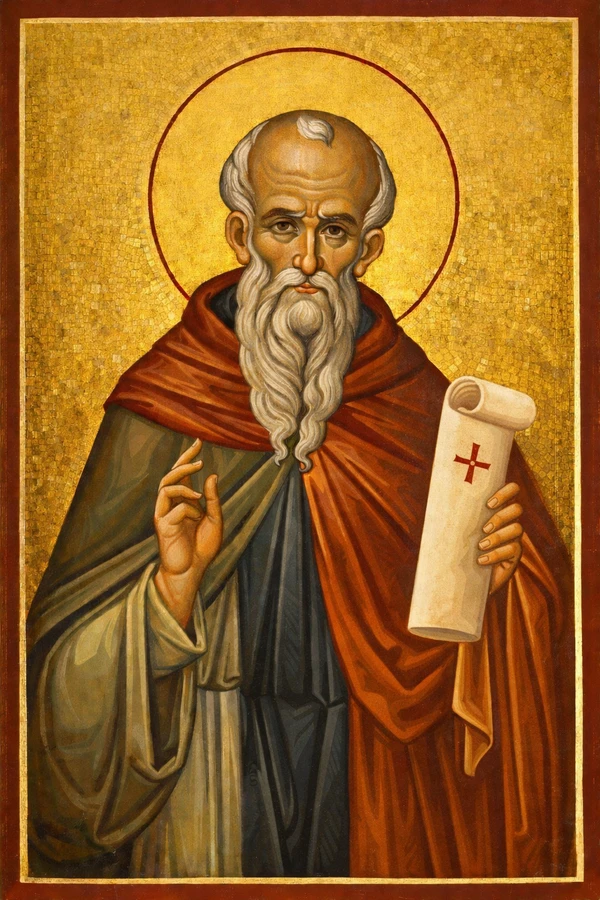
MAXIMUS THE CONFESSOR · 7TH CENTURY · BYZANTINE
Ambigua
Summary and key themes of this work
The most intellectually ambitious work in the Eastern Christian tradition — Maximus the Confessor's attempt to resolve 'difficult passages' in Gregory of Nazianzen and Pseudo-Dionysius that becomes, in practice, a comprehensive theology of everything. The Ambigua articulates Maximus's vision of the logoi — the divine reasons or intentions embedded in every created thing — all of which find their source and fulfillment in the Logos, Christ. Creation is not a static fact but a movement toward divine communion; the Incarnation is the event in which God enters this movement from within. The work is dense and demanding, but its underlying vision is luminous: every creature is a word spoken by God, and the whole cosmos is a sentence whose meaning is Christ. For readers coming from the saint pages on this site, the Ambigua is where Maximus's theology — hinted at in the quotes and biography — unfolds in its full scope.
Ambigua is a central text in the Christian mystical tradition, offering insight into the spiritual life, the nature of divine union, and the transformation of the soul.
This work is central to the Byzantine tradition, shaping the understanding of the spiritual life and the soul's journey toward union with God.
Selected Passages
The Word of God, very God, wills always and in all things to accomplish the mystery of His embodiment.
God and man are paradigms of one another.
The Logos of God is hidden in all things.
Read the Work (Free)
Buy a Copy (Optional)
Some links (such as Amazon) may be affiliate links.
This supports the site at no extra cost to you.